Piero Dorazio
Artworks
Artist info
Biography
Nasce a Roma nel 1927. Si forma tra Parigi, dove conosce Henri Matisse, Joan Miró, Le Corbusier, Braque, Hans Arp, e New York dove vive e frequenta Yves Klein, Marcel Duchamp e Rothko. In Italia con Achille Perilli e a Giovanni Guerrini, inaugura “L’Age d’Or”, una galleria-libreria specializzata in riviste e libri d’avanguardia e sede espositiva di mostre di arte astratta. Nel 1947 la sua ricerca espressiva prosegue con gli astrattisti del Gruppo Forma 1. Carla Accardi, Pietro Consagra, Antonio Sanfilippo e Giulio Turcato vogliono svincolare l’arte dalla dimensione psicologica o realistica, in favore di un nuovo linguaggio nuovo, basato sull’astrazione del segno, in linea con le esperienze artistiche internazionali.
Piero Dorazio è stato uno dei massimi rappresentanti dell’astrattismo europeo. Le sue opere si caratterizzano per l’uso di linee, geometrie e colori; tutti elementi che diventeranno la sua cifra stilistica, grazie anche a un attento studio e suddivisione degli spazi.
Dopo il soggiorno romano e i viaggi compiuti tra Europa e Stati Uniti, si trasferisce in un ex convento presso Todi.
Dorazio fornisce una chiave di lettura della sua arte, affermando che il quadro astratto non rappresenta altro che sé stesso, poiché costituito da elementi della visione: colore, spazio, materia, dimensioni e movimento, che concorrono a trasmettere sensazioni ed emozioni. L’arte si sintetizza nella rappresentazione dell’irreale che, però, è in grado di emozionare e trasmettere sensazioni vere.
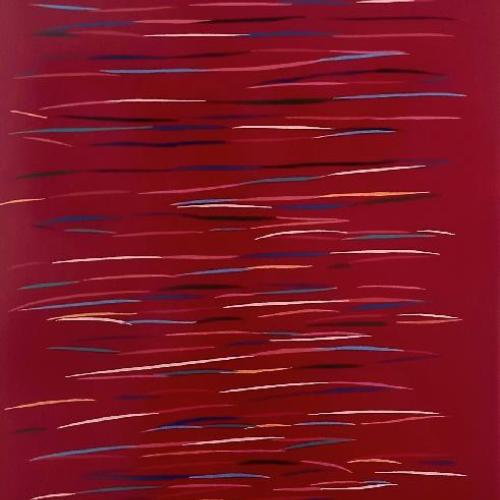
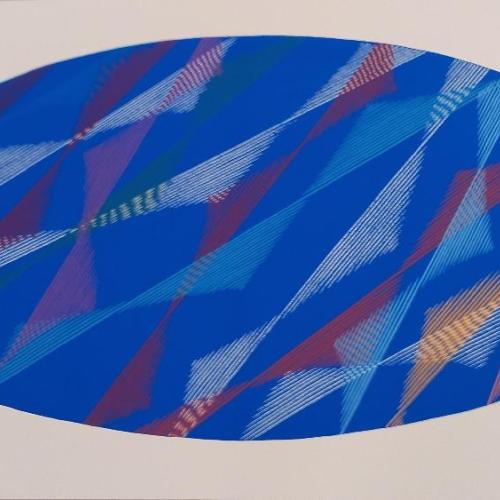
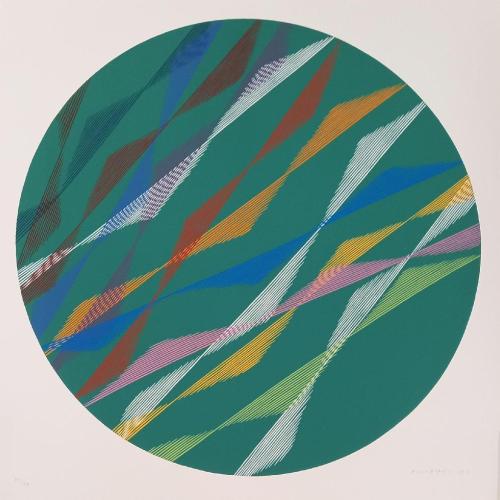
La produzione artistica di Piero Dorazio si distribuisce nell’arco di circa sessant’anni e l’esito principale della sua ricerca si concretizza nella lunga serie di opere astratte. A partire dagli anni Sessanta le opere rivelano una mescolanza dei colori primari usati in maniera quasi divisionista. I cosiddetti “reticoli”, così definiti dalla critica, costruiscono una struttura che crea una sensazione di spazio. Dorazio indaga sempre più da vicino la trama dei reticoli, realizzando dei veri ingrandimenti che presentano linee oblique, orizzontali e verticali sovrapposte. Le sue costruzioni suggeriscono un senso di movimento e luce. Negli anni la pittura dell’artista si fa sempre più ritmica, piena di contrasti e punti di luce e ombra, con macchie di colore tracciate in ordine, in modo intuitivo e dinamico. La ricerca ravvicinata della struttura della composizione rappresenta un tema costante in tutta la produzione tarda del pittore, cui appartengono Composizione verde e Ovale blu. Fino agli anni Duemila il tema dei “reticoli” è analizzato in molte opere che lo hanno reso di fatto uno degli artisti astratti più importanti del panorama italiano e internazionale. Dopo aver raggiunto una posizione di primo rilievo nel panorama dell’arte astratta, l’artista si spegne nel 2005 a Perugia. Le sue opere sono esposte nei musei di tutto il mondo.